It's not that Linux became “GUI only”, but that the Linux desktop has become far more complete. The modern desktop we know today ships graphical tools that cover almost every common task in ways that are genuinely approachable.
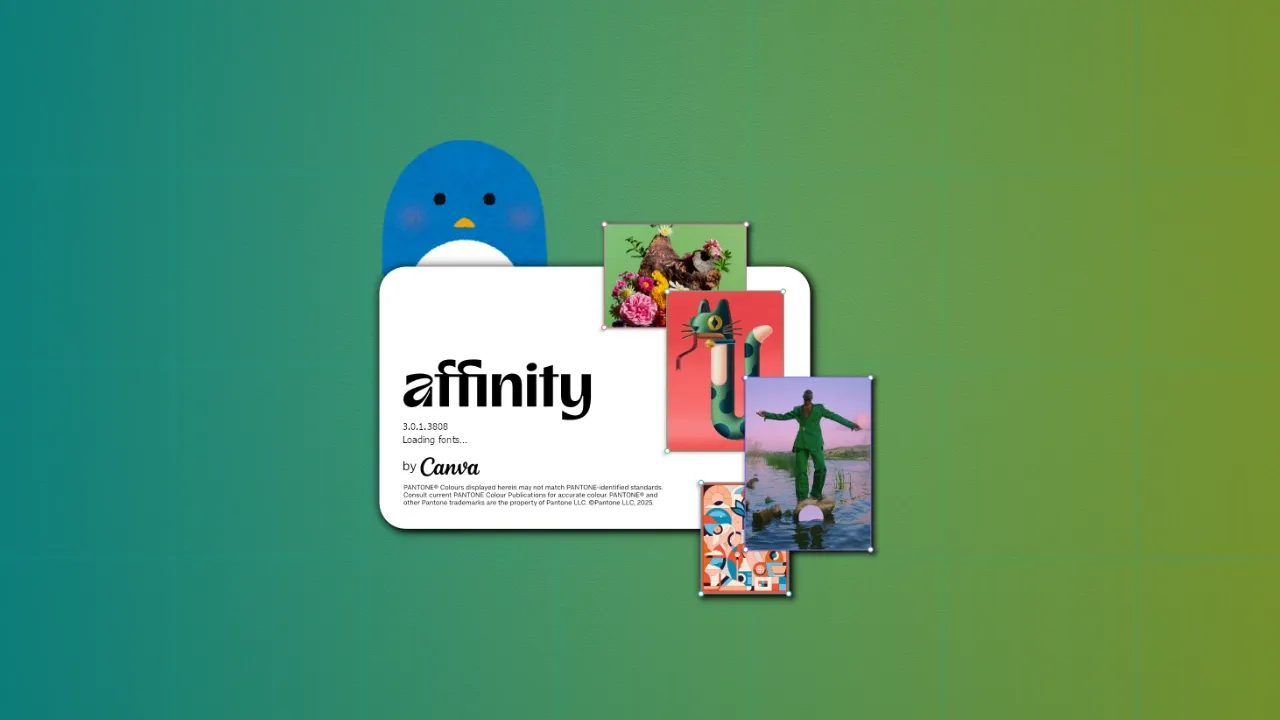
While compatibility isn't perfect, it's sufficient for getting a feel of the program (if that's your desire) and even potentially for using it to do real work.
You don't always need to install an open source software on your desktop or self host in your homelab. I use some of my favorites from the comfort of a web browser.
We do not need a mythical “year of the Linux desktop” for Linux to keep growing. We just need good ideas, consistent execution, and projects that keep getting better with every release.
Linux desktop is often described as fragmented, but with the right perspective, it becomes clear that this description only makes sense if you see Linux as a single, unified product, and expect it act like one. It isn't, and so it doesn't.
If you recognized yourself in a few of these points, that doesn’t mean Linux isn’t for you. In fact, you can count it as an invitation. It just means you’ve spent a long time in an ecosystem that treats you more like a product than a participant.
 Connexion